
The Connection Between Physical Training and Better Behavior
Every parent wants to see their child succeed — not just academically, but emotionally and socially as well. When behavior challenges arise, it’s easy to focus on correcting the surface issue: talking back, not listening, emotional outbursts, or lack of focus. But often, behavior isn’t the root problem. It’s a symptom.
There’s a powerful connection between physical activity and improved behavior in children. When kids move with purpose, follow structure, and develop discipline through training, their behavior naturally begins to shift. That’s one of the reasons Krav Maga at Winning Warrior has such a strong impact beyond just self-defense skills.
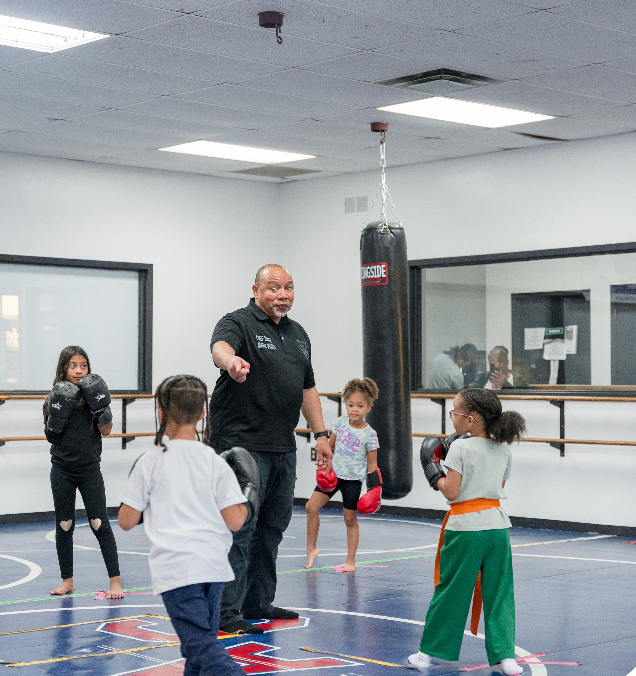
Energy Needs an Outlet
Children are wired for movement. When they don’t get enough physical activity, that unused energy doesn’t disappear — it often shows up as restlessness, impulsivity, frustration, or emotional outbursts.
Physical training provides a healthy, structured outlet for that energy. Instead of releasing frustration through negative behavior, kids channel it into drills, techniques, and focused movement.
Krav Maga classes combine:
Cardiovascular activity
Strength-building exercises
Coordination drills
Mental focus challenges
This combination not only improves fitness but helps regulate mood and reduce impulsive reactions.
Structure Creates Stability
One of the most overlooked contributors to better behavior is consistency. Kids thrive when they understand expectations and operate within clear boundaries.
In Krav Maga training, structure is built into every class. Students know:
When to line up
How to address instructors
When to focus
How to follow instructions step-by-step
This repetition builds discipline naturally. Kids learn that listening carefully leads to success. Over time, that skill transfers into school classrooms and home routines.
Discipline Builds Self-Control
Behavior improves when children develop self-control. Physical training requires kids to pause, pay attention, and respond intentionally instead of reacting emotionally.
In Krav Maga, students practice:
Waiting for instructions
Controlling their strength and movement
Staying calm under pressure
Resetting quickly after mistakes
These small moments of discipline build emotional regulation. Instead of reacting immediately out of frustration, kids learn to take a breath and respond appropriately.
Confidence Reduces Acting Out
Sometimes behavior problems stem from insecurity. When kids feel unsure of themselves, they may act out to gain attention or protect their self-esteem.
Physical training builds real confidence — not praise-based confidence, but confidence rooted in capability. As kids master techniques and overcome challenges, they begin to believe in their abilities.
Confident kids are more likely to:
Communicate clearly
Accept correction
Handle frustration calmly
Make positive choices
That inner confidence often eliminates the need for attention-seeking behavior.
Respect Is Modeled and Practiced
Respect is a cornerstone of martial arts training. In every class, students practice showing respect to instructors, peers, and themselves.
This includes:
Listening without interrupting
Encouraging teammates
Taking accountability for mistakes
Demonstrating self-control
Because respect is consistently reinforced, it becomes habitual. Parents often notice improved manners, better listening skills, and more thoughtful communication at home.
Mental Focus Strengthens Emotional Control
Krav Maga is not just physical — it requires concentration and awareness. Kids must pay attention to technique details, remember combinations, and apply skills under mild stress.
This improves:
Attention span
Problem-solving skills
Emotional regulation
Decision-making
When kids learn how to focus their minds, their behavior becomes more intentional and controlled.
Better Behavior Is a Byproduct of Growth
It’s important to understand that Krav Maga doesn’t simply “fix” behavior. Instead, it develops the foundational skills that lead to better behavior — discipline, confidence, focus, and emotional control.
When those skills grow, behavior improves naturally.
Children begin to:
Follow directions more consistently
Handle frustration more calmly
Show greater respect
Demonstrate stronger responsibility
And perhaps most importantly, they begin to feel capable.
Building Strong Kids From the Inside Out
At Winning Warrior, the goal isn’t just to teach self-defense. It’s to help children become strong, confident, and disciplined individuals.
Physical training creates an environment where kids can grow — mentally, emotionally, and physically. When children learn how to control their bodies, they begin to control their reactions. When they gain confidence, they act with maturity. When they develop discipline, they make better choices.
Better behavior isn’t forced. It’s built.
And it starts with movement, structure, and purpose.
