
From Meltdowns to Mindset: Teaching Emotional Regulation Through TrainingEe
Every parent has experienced it — the sudden outburst, the tears over something small, the frustration that escalates faster than expected. Emotional meltdowns are a normal part of childhood, but when kids don’t have the tools to regulate their emotions, those moments can become overwhelming for everyone involved.
The good news? Emotional regulation is not something children are simply born with — it’s a skill that can be taught, practiced, and strengthened. And one of the most effective ways to teach it is through structured physical training like Krav Maga.
At Winning Warrior, we don’t just build strong bodies. We build strong mindsets.
Understanding Emotional Regulation
Emotional regulation is the ability to manage feelings in a healthy, controlled way. For kids, this means learning how to:
Pause before reacting
Handle frustration calmly
Recover from mistakes
Stay focused under pressure
Express emotions appropriately
Without these skills, emotions can take over. With them, kids gain confidence and control.
Why Physical Training Works
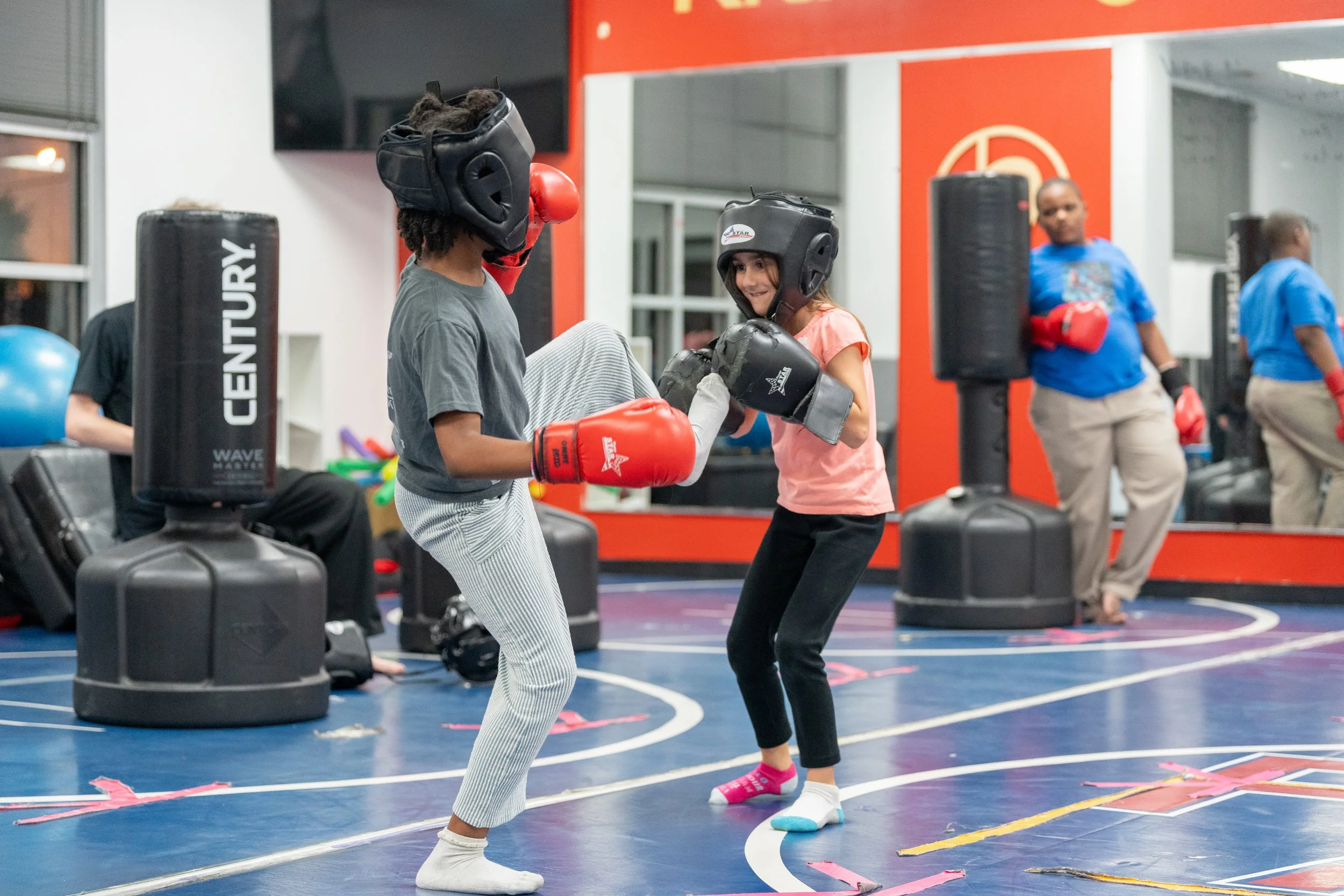
It may seem surprising, but physical training is one of the best environments for developing emotional control. In Krav Maga, students regularly face challenges — learning new techniques, making mistakes, practicing under mild stress, and pushing through physical fatigue.
These moments naturally trigger emotions like frustration, self-doubt, or excitement. Instead of avoiding those feelings, students learn how to manage them.
Through consistent training, kids practice:
Taking a breath before responding
Listening carefully even when tired
Resetting after a mistake
Staying calm while learning something difficult
Over time, this repeated practice builds emotional resilience.
From Reaction to Response
Many meltdowns happen because kids react before thinking. Krav Maga teaches children to shift from reacting to responding.
During drills, students must wait for instruction, control their movements, and apply techniques with focus. They learn that impulsive behavior doesn’t lead to success — control does.
This carries into daily life. Parents often notice:
Fewer emotional outbursts
Faster recovery after disappointment
Better listening skills
Increased patience
When kids understand that they can control their reactions, their confidence grows.
Confidence Reduces Emotional Overload
A lack of confidence often fuels meltdowns. When children feel unsure of themselves, small challenges can feel overwhelming.
Krav Maga builds confidence through achievement. Every time a child masters a technique, earns praise for effort, or overcomes a challenge, they reinforce a powerful belief: “I can handle this.”
Confident kids are more likely to:
Attempt difficult tasks
Accept constructive feedback
Stay calm under pressure
Believe in their ability to improve
This confidence becomes a buffer against emotional overload.
Structure Creates Emotional Safety
Children thrive in environments with clear expectations. Krav Maga classes follow consistent routines and respectful guidelines. Students know when to line up, when to focus, and how to address instructors.
This structure creates emotional safety. When kids know what to expect, anxiety decreases and emotional control improves.
Consistency helps children feel secure — and security supports regulation.
Teaching Resilience Through Challenge
Avoiding challenges doesn’t build emotional strength. Facing them with support does.
Krav Maga introduces manageable challenges in a controlled setting. Students may struggle with a technique or feel tired during drills, but instructors guide them through those moments.
They learn that discomfort is temporary. Frustration can be overcome. Mistakes are part of growth.
That lesson is powerful. Instead of melting down when things get hard, kids begin to think, “I’ve handled tough things before.”
That shift — from meltdown to mindset — changes everything.
Emotional Regulation Is a Lifelong Skill
The ability to control emotions impacts every area of life: school performance, friendships, sports, and family relationships.
When kids develop emotional regulation through training, they don’t just behave better — they feel better. They gain tools they can use in classrooms, on playgrounds, and eventually in adulthood.
At Winning Warrior, Krav Maga is more than self-defense. It’s a pathway to resilience, discipline, and emotional strength.
Meltdowns don’t disappear overnight. But with consistent training, kids learn something powerful:
They are in control.
And that mindset lasts far beyond the mat.
