
Stronger Together: Why February Is the Perfect Time for Family Krav Maga Training
February is often seen as a slower month. The holidays are over, winter routines are in full swing, and families are spending more time indoors. While it can feel like a quiet season, it’s actually one of the best times to strengthen something that matters most — your family.
Krav Maga isn’t just for kids or adults individually. It’s a powerful tool for families who want to build confidence, awareness, and real-world self-defense skills together. At Winning Warrior, family training creates connection, accountability, and shared growth that extends far beyond the mat.
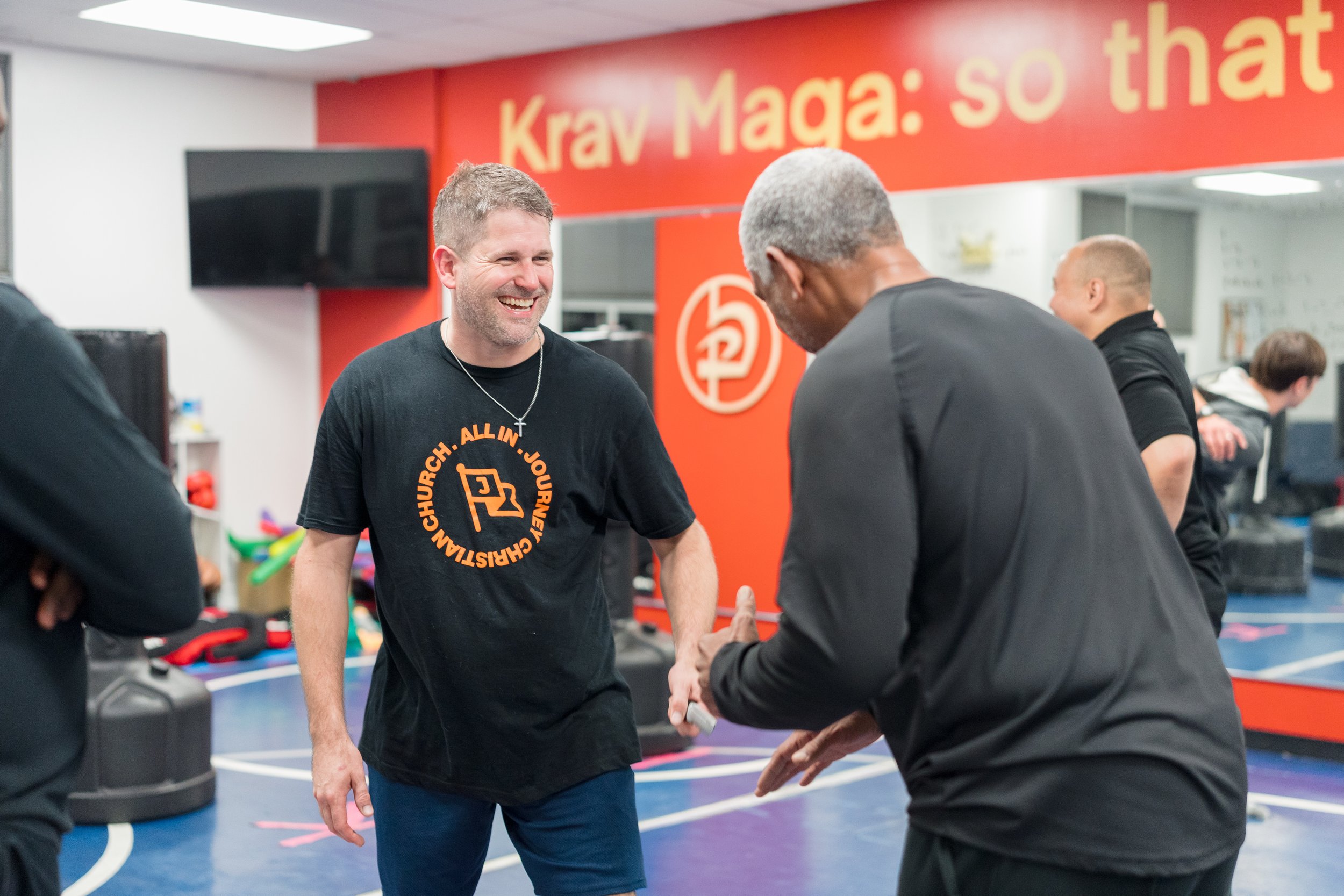
Why Family Self-Defense Matters
Personal safety is something every family thinks about, but not every family prepares for. Learning self-defense together removes fear and replaces it with confidence and capability.
Family Krav Maga training teaches:
Situational awareness
Conflict avoidance strategies
Verbal boundary setting
Practical self-defense techniques
Emotional control under stress
These skills are valuable for parents and children alike. Instead of hoping you’ll know what to do in a difficult situation, you gain tools and strategies that create real preparedness.
Building Confidence at Every Age
One of the most powerful aspects of Krav Maga is that it’s practical and adaptable. Adults gain confidence in their ability to protect themselves and their loved ones, while kids build strength, discipline, and resilience.
When families train together:
Kids see their parents modeling courage and growth
Parents better understand what their children are learning
Everyone improves physically and mentally
Confidence becomes a shared experience
There’s something powerful about working through challenges side-by-side. It builds mutual respect and strengthens family bonds.
Turning Winter Into a Season of Growth
February’s colder weather often means more time inside and less physical activity. That can lead to restlessness, low energy, and screen overload for both kids and adults.
Family Krav Maga provides:
A structured weekly routine
A healthy physical outlet
A shared activity that isn’t screen-based
An environment focused on growth and discipline
Instead of feeling stuck in winter, families can use this season to build strength, focus, and confidence together.
Practical Skills for Real Life
Unlike traditional martial arts that may focus heavily on forms or competition, Krav Maga is rooted in real-world application. It teaches simple, effective techniques designed to work under stress.
Families learn how to:
Recognize potential threats early
De-escalate situations verbally
Protect themselves if necessary
Stay calm and think clearly under pressure
For parents, there’s peace of mind in knowing your family is prepared. For kids, there’s empowerment in understanding they have options and tools to protect themselves.
Strengthening Communication and Trust
Training together naturally improves communication. Parents and kids encourage one another, celebrate progress, and hold each other accountable.
Family training builds:
Trust
Respect
Shared goals
Healthy competition in a positive environment
Instead of separate activities pulling everyone in different directions, Krav Maga creates a common goal: getting stronger together.
Fitness With Purpose
Exercise is important, but purposeful training is transformative. Krav Maga improves:
Cardiovascular health
Strength and endurance
Coordination and balance
Mental focus
And because it’s skill-based, it stays engaging. Families don’t just work out — they learn, grow, and challenge themselves together.
A Stronger Family Starts Now
There’s never a “perfect” time to start something new. But February offers a unique opportunity — a steady season where families can commit to consistency without the distractions of holiday chaos or summer travel.
Krav Maga at Winning Warrior isn’t just about self-defense. It’s about confidence, discipline, awareness, and unity. When families train together, they create a foundation of strength that lasts well beyond the winter months.
Stronger individuals build stronger families. And stronger families build confident communities.
